


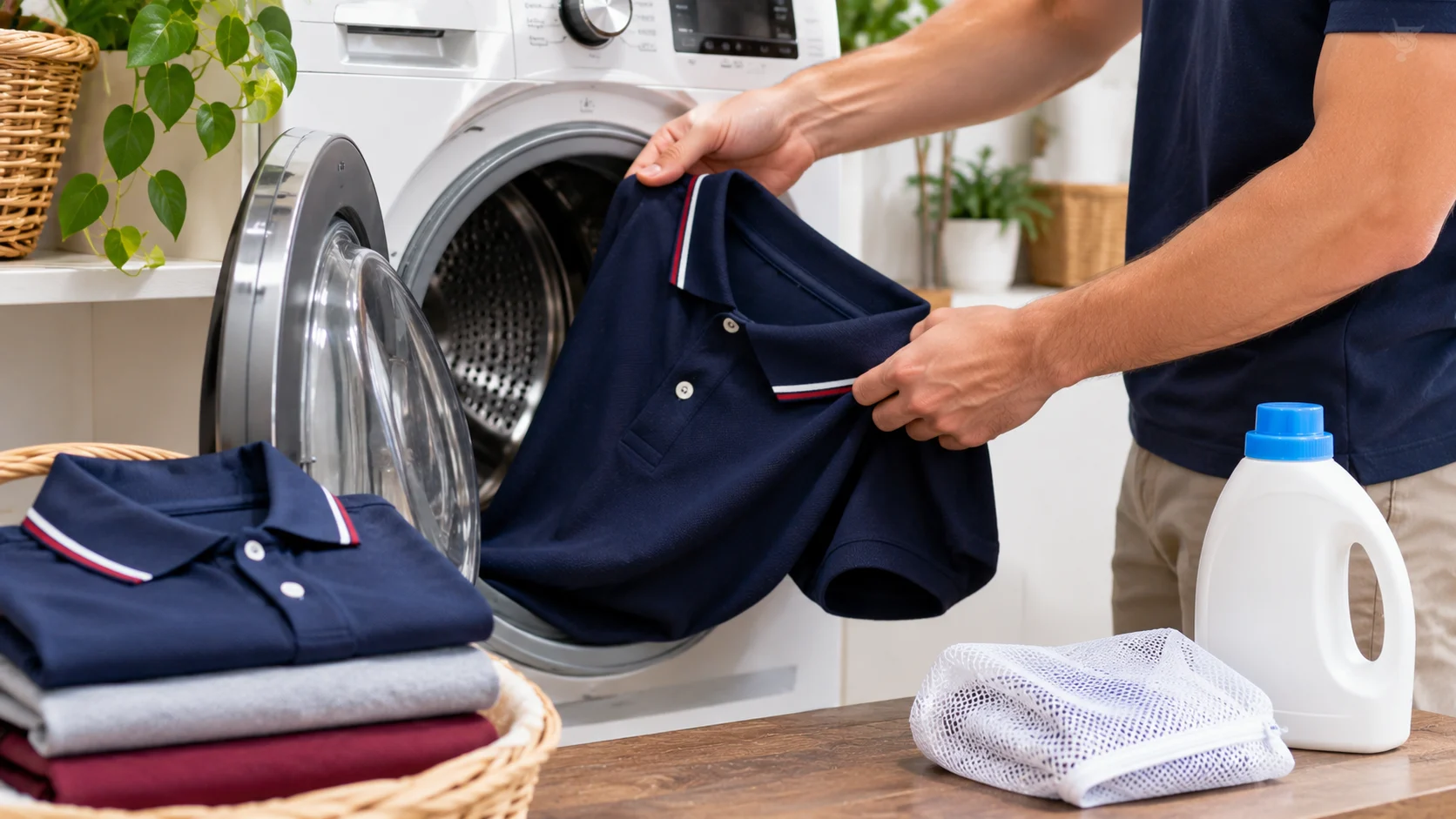
Your favorite polo shirt goes into the washing machine looking perfectly fine but comes out smaller, faded, and with a misshapen collar. You try wearing it again, hoping the fabric will return to normal, but it simply does not feel the same. The frustrating part is that a few laundry mistakes may have caused the damage.
Learning how to wash a polo shirt properly can help prevent shrinking, fading, and unnecessary fabric damage. Whether your shirt is made from cotton, polyester, or knitted fabric, choosing the right washing method makes a noticeable difference.
You do not need expensive cleaning products or complicated laundry routines to maintain your polo shirts. With the right water temperature, gentle detergent, and suitable drying method, you can keep them looking fresh and comfortable for longer.
Why Washing a Polo Shirt Correctly Matters
Many people wash polo shirts alongside their regular laundry without considering fabric differences. However, excessive heat, strong detergents, and rough washing cycles can gradually affect garment quality. These problems may become noticeable after only a few washes.
Polo shirts have collars, buttons, and textured fabrics that require appropriate care. Improper washing may cause the collar to lose its shape, the fabric to shrink, or the colors to fade. These changes can affect how much you enjoy wearing the shirt.
Proper washing offers several benefits:
- Helps maintain fabric quality.
- Reduces the risk of shrinking.
- Preserves original colors.
- Protects collar shape.
- Minimizes unnecessary wrinkles.
- Extends the garment’s useful life.
- Reduces clothing replacement expenses.
Taking a little extra care during laundry can save money and keep your favorite wardrobe essentials in good condition.
What to Check Before Washing a Polo Shirt
Putting a polo shirt directly into the washing machine might seem convenient. However, overlooking important details can result in unnecessary damage. Spending a few moments preparing your clothes can prevent common laundry problems.
Read the Care Label
Different polo shirts have different washing requirements depending on their fabric and construction. Some can handle regular machine washing, while others require gentle cleaning or hand washing. Assuming every polo shirt needs the same treatment can lead to disappointing results.
Check the garment’s care label for information about water temperature, washing cycles, drying methods, and ironing. These instructions provide guidance specific to the shirt’s materials and construction. Always prioritize them over general laundry advice.
Check the Fabric Type
Cotton, polyester, and blended polo shirts respond differently to heat and moisture. Cotton may shrink when exposed to excessive heat, while synthetic fabrics can become damaged at unsuitable temperatures. Knitted fabrics may also stretch when handled roughly.
Identify the fabric composition before selecting your washing settings. Most garments display this information on an internal label. Knowing the material helps you choose a suitable cleaning method.
Separate Light and Dark Colors
Washing white polo shirts alongside dark clothing can sometimes result in unwanted color transfer. New garments may release excess dye during their first few washes. This can leave lighter clothing looking dull or discolored.
Separate white, light-colored, and dark garments before washing. Wash new, strongly colored polo shirts separately when their care instructions recommend it. This simple habit can help protect the appearance of your clothes.
How to Wash a Polo Shirt in a Washing Machine
Machine washing is convenient, especially when you have several polo shirts to clean. However, unsuitable settings can expose clothing to unnecessary friction and heat. Following a gentle washing routine helps protect most machine-washable polo shirts.
Step 1: Turn the Polo Shirt Inside Out
Repeated contact with other garments can gradually affect the outer surface of a polo shirt. This friction may contribute to fading, pilling, and wear around printed designs. Turning the shirt inside out helps reduce direct contact with these areas.
Unfasten the buttons and check for visible stains before washing. Treat any stains according to the garment’s care instructions. Turning the shirt inside out can also help protect embroidered details.
Step 2: Choose the Right Water Temperature
Hot water may seem like the best option for removing dirt, but it can damage certain fabrics. Excessive heat may contribute to shrinking and color loss. Cotton polo shirts can be particularly sensitive to unsuitable washing temperatures.
Cold or cool water is generally suitable for everyday polo shirt washing when permitted by the care label. Warmer settings may be appropriate for certain garments. Always follow the manufacturer’s recommended temperature.
Step 3: Use a Suitable Laundry Detergent
Using more detergent does not necessarily produce cleaner clothes. Excess detergent may leave residue on fabrics, particularly when rinsing is insufficient. This can make polo shirts feel stiff or uncomfortable.
Choose a mild laundry detergent suitable for the garment’s fabric and color. Follow the detergent manufacturer’s recommended quantity for your load size. Avoid chlorine bleach unless the garment label specifically permits it.
Step 4: Select a Gentle Washing Cycle
Heavy-duty washing cycles can expose polo shirts to unnecessary agitation. Rough treatment may affect collars, seams, buttons, and delicate fabrics. These concerns become more noticeable with frequent washing.
Select a gentle or appropriate regular cycle according to the care label. Avoid overcrowding the washing machine because clothes need enough space for effective cleaning and rinsing. Keep delicate polo shirts separate from heavy garments when possible.
Step 5: Remove the Shirt After Washing
Leaving damp clothing inside the washing machine for several hours can contribute to unpleasant odors and wrinkles. Moisture trapped between garments creates conditions that encourage musty smells. Removing clothes promptly helps prevent this problem.
Once the washing cycle finishes, take the polo shirt out and gently reshape it. Pay particular attention to the collar and hem. Prepare it for drying according to the fabric’s care requirements.
How to Hand Wash a Polo Shirt
Some polo shirts require gentler treatment than a washing machine provides. Knitted fabrics, delicate materials, and certain decorative details may benefit from hand washing. This method can also be convenient when cleaning a single shirt.
Follow these simple steps when hand washing is appropriate:
- Fill a clean basin with cool or lukewarm water, as permitted by the care label.
- Add a small amount of suitable laundry detergent.
- Place the polo shirt into the water.
- Gently move the garment through the soapy water.
- Rinse thoroughly with clean water.
- Gently press out excess moisture without twisting.
- Reshape the shirt and dry it as recommended.
Avoid aggressively scrubbing or wringing the fabric. Rough handling can stretch delicate fibers and affect the garment’s shape. Hand washing should involve gentle movements rather than forceful cleaning.
How to Wash Different Types of Polo Shirts
Using the same laundry routine for every polo shirt can create unnecessary problems. Different fabrics have unique characteristics that influence how they respond to washing and drying. Understanding these differences helps you protect your clothing.
Cotton Polo Shirts
Cotton polo shirts are popular because of their softness and breathability. However, excessive heat may cause certain cotton garments to shrink. Repeated exposure to harsh washing conditions can also affect fabric quality.
Wash cotton polos using the temperature and cycle recommended on their care labels. Cold or cool water is often suitable for regular cleaning. Avoid unnecessary high-temperature drying to reduce the risk of shrinking.
Polyester Polo Shirts
Polyester polo shirts are common in sportswear, uniforms, and everyday clothing. Although polyester generally resists shrinking better than cotton, excessive heat can still damage its fibers. Some performance fabrics also have specialized moisture-management properties.
Use suitable detergent and follow the recommended washing temperature. Avoid fabric softener when the manufacturer advises against it, particularly for moisture-wicking materials. Gentle drying can help preserve the garment’s performance and appearance.
Piqué Polo Shirts
Piqué fabric has a distinctive textured surface commonly found in classic polo shirts. Its woven or knitted structure can collect dirt and lint during everyday use. Excessive friction may gradually affect its appearance.
Turn piqué polo shirts inside out before machine washing when appropriate. Use suitable detergent and avoid washing them with rough, heavy garments. Gently reshape the collar and body after cleaning.
Knitted Polo Shirts
Knitted polo shirts provide a distinctive texture but may require additional care. Wet knitted fabrics can become heavier and stretch when unsupported. Rough handling may also affect their original shape.
Follow the care label carefully, particularly regarding hand washing and drying. Many delicate knitted polos benefit from drying flat on a clean towel. Avoid hanging wet garments when their weight could cause stretching.
How to Remove Stains from a Polo Shirt
Food spills, sweat marks, and everyday dirt can make an otherwise clean polo shirt look untidy. Washing the entire garment may not always remove stubborn marks. Addressing stains before washing often produces better results.
Sweat Stains
Sweat and deodorant residue can accumulate around the underarms and collar. Over time, these areas may develop discoloration or become difficult to clean. Regular attention can help prevent buildup.
Apply a small amount of suitable liquid laundry detergent to the affected area if the care label permits it. Allow it to work according to the product instructions before washing. Check whether the stain has disappeared before exposing the shirt to dryer heat.
Food and Drink Stains
Accidental food and drink spills are common during everyday activities. Rubbing the affected area aggressively may spread the stain or damage the fabric. Prompt, gentle treatment is often more effective.
Blot excess liquid with a clean cloth and use a fabric-compatible stain remover. Follow the product instructions and test it on an inconspicuous area when recommended. Avoid combining different cleaning products.
Collar Stains
Polo shirt collars can collect natural skin oils, sweat, and everyday dirt. These marks may become more noticeable on white and light-colored garments. Regular machine washing alone may not remove established buildup.
Gently apply suitable laundry detergent to the affected collar area before washing. Avoid harsh scrubbing that could damage the collar’s construction. Rinse and wash according to the garment’s instructions.
How to Dry a Polo Shirt Without Shrinking It
Drying mistakes can damage clothing even after a successful washing cycle. Excessive heat may cause shrinking, while unsuitable hanging methods can stretch certain fabrics. Choosing the right drying approach is equally important.
Air Drying
Air drying is a practical option for many polo shirts. It avoids unnecessary exposure to dryer heat and may help preserve fabric quality. However, the garment’s construction determines whether hanging or flat drying is more suitable.
Reshape the shirt while it is damp and dry it according to its care label. Avoid prolonged exposure to strong direct sunlight, particularly for dark colors. Provide adequate airflow so the garment dries completely.
Tumble Drying
Tumble drying offers convenience when time or space is limited. However, high-temperature settings can contribute to shrinking and fabric deterioration. Not every polo shirt is suitable for machine drying.
If the care label permits tumble drying, select the recommended heat setting. Remove the shirt promptly when the cycle finishes to reduce unnecessary wrinkles. Avoid using excessive heat to speed up the drying process.
How to Prevent Polo Shirts from Fading
Discovering that a once-bright polo shirt has become dull can be frustrating. Frequent washing, excessive heat, sunlight, and unsuitable detergents can contribute to color loss. Small adjustments to your laundry routine may help preserve colors.
Turn colored shirts inside out and wash them with similar shades. Choose appropriate detergent and avoid unnecessary hot-water cycles. Dry colored clothing away from prolonged, intense sunlight when possible.
Remember these simple color protection tips:
- Separate dark and light clothing.
- Follow recommended washing temperatures.
- Avoid unnecessary washing.
- Use detergent suitable for colored fabrics.
- Avoid unsuitable bleaching products.
- Minimize excessive heat exposure.
These habits cannot prevent all natural fading, but they can help reduce avoidable color damage.
How to Keep a Polo Shirt Collar in Shape
A damaged collar can change the appearance of an otherwise well-maintained polo shirt. Rough washing, unsuitable drying, and poor storage may contribute to curling or stretching. Fortunately, gentle garment care can help maintain its original construction.
After washing, straighten the collar while the fabric is still damp. Avoid pulling or stretching its edges excessively. Allow the collar to dry in a natural position.
If ironing is permitted, use the temperature recommended for the garment’s fabric. Avoid pressing decorative details directly when the care label advises against it. Store polo shirts neatly to reduce unnecessary creasing.
Machine Washing vs. Hand Washing Polo Shirts
Choosing between machine washing and hand washing can be confusing. Both methods offer advantages, but their suitability depends on fabric composition and garment construction. Neither method is automatically better for every shirt.
| Feature | Machine Washing | Hand Washing |
|---|---|---|
| Convenience | High | Moderate |
| Time and effort | Generally lower | Generally higher |
| Suitable garments | Machine-washable polos | Delicate or hand-wash-only polos |
| Fabric handling | Depends on cycle | More individually controlled |
| Load size | Multiple garments | Usually individual garments |
| Cleaning effectiveness | Depends on settings | Depends on technique |
Choose the method recommended by the garment manufacturer. Proper handling matters more than whether you clean the shirt by hand or machine.
Common Mistakes When Washing Polo Shirts
Many laundry problems develop from habits that seem harmless. Washing everything together or choosing the hottest available setting may save time initially. However, these decisions can gradually affect garment quality.
Avoid these common polo shirt washing mistakes:
- Ignoring garment care labels.
- Using unnecessarily hot water.
- Adding too much laundry detergent.
- Washing delicate polos with heavy jeans.
- Scrubbing stains aggressively.
- Twisting wet fabric to remove water.
- Leaving damp shirts inside the washing machine.
- Using unsuitable dryer temperatures.
Correcting these habits can make clothing maintenance easier. You may also find that your favorite garments remain comfortable and wearable for longer.
How Often Should You Wash a Polo Shirt?
Washing polo shirts after every short period of wear may expose them to unnecessary friction. However, leaving sweat, dirt, and odors untreated can also create problems. Finding a practical balance depends on how the garment has been used.
Polo shirts worn during exercise, hot weather, or physically demanding activities generally need washing after use. Shirts worn briefly in clean conditions may not require immediate washing if they remain fresh.
Check the garment for visible dirt, sweat, and unpleasant odors before deciding. Avoid following a rigid washing schedule that ignores actual clothing condition. Clean garments whenever necessary while maintaining appropriate fabric care.
Frequently Asked Questions
Can you wash polo shirts in a washing machine?
Yes, most machine-washable polo shirts can be cleaned using an appropriate washing cycle. Check the care label, separate colors, and select the recommended water temperature.
Do polo shirts shrink when washed?
Some polo shirts, particularly cotton garments, may shrink when exposed to excessive heat. Following recommended washing and drying temperatures helps reduce unnecessary shrinkage.
Should you wash polo shirts inside out?
Turning polo shirts inside out can help reduce friction against the outer fabric. It may also help protect colors, embroidery, printed designs, and textured surfaces.
Can you put polo shirts in the dryer?
Some polo shirts are suitable for tumble drying, while others require air drying. Always check the care label and avoid heat settings that exceed the manufacturer’s recommendations.
How do you keep polo shirts soft after washing?
Use the recommended amount of suitable detergent, rinse thoroughly, and avoid excessive drying heat. Following fabric-specific care instructions can help maintain softness without unnecessary cleaning products.
Conclusion
Learning how to wash a polo shirt properly can help prevent common problems such as shrinking, fading, wrinkles, and damaged collars. Simple adjustments to your washing routine can make a significant difference. The most important step is understanding your garment’s specific care requirements.
Choose appropriate water temperatures, use suitable detergent, and select a drying method that protects the fabric. Address stains promptly and avoid rough handling during cleaning. These everyday habits can help extend the life of your favorite polo shirts.
Before your next laundry day, check the care labels on your polo shirts and separate them according to fabric and color. A few thoughtful steps can keep your wardrobe looking fresh without unnecessary replacement costs. Better clothing care begins with small, consistent habits.